Sleep, stress and steady living
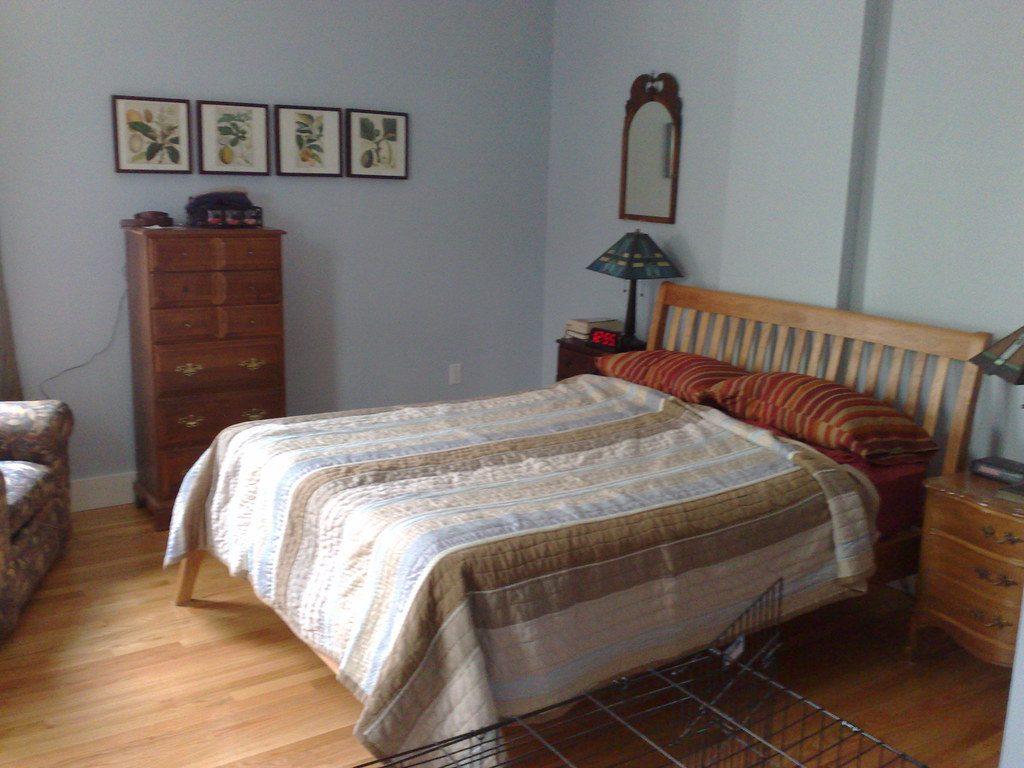
We often treat sleep and stress as separate concerns, yet they are two sides of the same coin. A settled mind sleeps more easily, and good sleep makes the day's stresses easier to weather. Together they form much of the foundation of steady, comfortable living.
Why rest matters so much
Sleep is when the body does its quiet housekeeping. A reasonably consistent, restful night helps with mood, concentration and energy — and it makes every other good habit, from cooking well to going for a walk, feel more achievable.
Protecting your evenings
A calm run-up to bed does much of the work. Dimming the lights, setting screens aside, and keeping a roughly consistent bedtime all signal to your body that the day is drawing to a close. A predictable wind-down is a gift to your future self.
A consistent rhythm
Perhaps the single most helpful sleep habit is a reasonably consistent bedtime and waking time, weekends included. A regular rhythm helps your body clock settle, so that sleepiness arrives on cue and mornings feel a little less of a wrench. It is far more powerful than any single evening tactic.
Watch, too, the everyday inputs that quietly disturb rest: caffeine late in the day, a heavy meal close to bedtime, or bright screens in the final hour. Trimming these back gently, rather than overhauling everything at once, tends to pay off within a week or two — and steadier sleep makes the following day's stresses far easier to carry.

The bedroom as a cue
Our surroundings shape our rest more than we tend to credit. A cool, dark, quiet and uncluttered bedroom gently signals to the body that it is time to wind down. Reserving the bed for sleep, rather than screens and worry, helps strengthen that association night after night.
Naming the day's tensions
Stress often loosens its grip once it is named. A few minutes to jot down tomorrow's tasks, or a quiet conversation with someone you trust, can stop the mind from turning the same worries over at midnight. Small end-of-day rituals like these draw a gentle line under the working hours.
Gentle ways to ease stress
- Take a slow walk outdoors to clear the head
- Try a few minutes of steady, unhurried breathing
- Keep a small routine that marks the end of the working day
- Talk things over with someone you trust
- Protect a little time for something you simply enjoy
Sleep, food and movement together
Rest does not stand alone. It works hand in hand with balanced meals, gentle daytime activity and good hydration — the very habits we cover across this blog. A heavy, late meal or a sedentary day can ripple into the night, just as a calmer day tends to ease it.
For those who take one, a food supplement fits into this whole-life picture as a supporting act. Solva is designed to sit alongside sensible sleep, movement and eating — never to replace them — and it is not intended to diagnose, treat, cure or prevent any disease.
Small steps, kept up
You will not perfect sleep and stress overnight, and you needn't try. One gentle change, held steadily, is worth more than a grand overhaul abandoned in a week. See building a sustainable routine for the same idea applied to habits.
Be patient with yourself
Sleep and stress rarely improve in a straight line, and treating them as a project to be perfected can become its own source of tension. A more forgiving approach — protect the basics, expect the odd rough night, and return gently to your rhythm — tends to work better than chasing flawless rest and getting frustrated when it does not come.
Above all, remember these things sit within a whole life. Good sleep supports steady days, steady days ease stress, and a calmer mind sleeps more easily still. Nudge any one part of that circle gently and the others tend to follow, quietly, over time.
Full amounts, printed on the label
Solva pairs five well-known actives — Cinnamon Bark, White Mulberry Leaf, Juniper, Bitter Melon and Chromium — at the amounts shown on the label, with no proprietary blends.
Choose your plan →